


The Life And Death Of A Giant
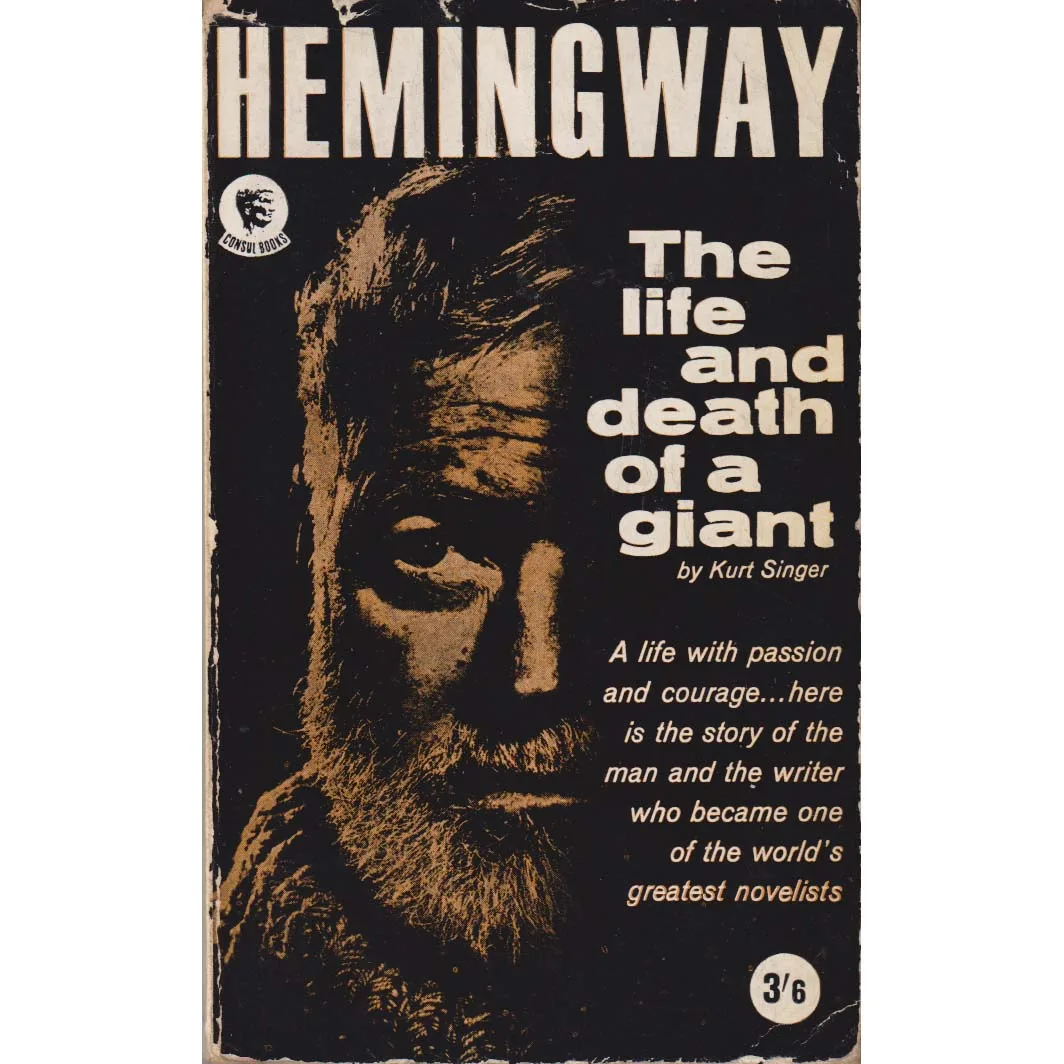
Publisher: Consul Books
Format: Paperback
ISBN: none
The Life and Death of a Giant (1962) by Kurt Singer is one of those gloriously ominous Consul Books paperbacks that turns up looking modest and slightly severe, then starts radiating the unmistakable promise of Serious Ideas. The title alone sounds like a fable, a political warning, and a bedtime story for people who don’t want to sleep too well. A “giant”, you suspect, is rarely just a large chap with big shoes. It’s a civilisation. A power. An empire. A concept with delusions of permanence.
Singer writes in that bracing mid-20th-century way where thought is not a lifestyle accessory. It’s a tool for survival. This is a book that looks at the rise-and-fall arc—how something immense can grow, dominate, then wobble, then go down—and asks the awkward question everyone prefers to avoid: what makes a giant think it can’t fall? Expect reflections on strength, hubris, inertia, and the strange human habit of confusing size with immortality.
The pleasure, if that’s the word, is the tone: measured, clear-eyed, and faintly moral without being preachy. Singer isn’t doing clickbait apocalypse. He’s doing anatomy. How the bones fit together. Where the weak joints are. How pride hardens into policy. How institutions begin as solutions and end up as traps. The “giant” becomes a character in its own right—stomping, thriving, being admired, being feared, and, eventually, discovering that gravity is not an opinion.
It also has that period feel that makes vintage non-fiction so delicious: the sense that history is close enough to smell, that recent catastrophe has made people allergic to easy optimism, and that words like “power” and “progress” need to be handled with gloves. Read it now and you’ll get the extra meta-thrill of realising that every era thinks it’s the sensible one watching other eras collapse. (Narrator voice: it is not.)
This copy is Condition: Good, sold by Crappy Old Books—which is exactly the right state for a book about the mortality of giants. A little wear is appropriate. In fact, it’s almost thematic. “Good” here means intact, readable, and seasoned: the paper has lived a bit, the spine has done its duty, and the whole object has the faint aura of having been consulted during a worried moment and then shelved with a thoughtful frown.
ISBN: none, because 1962 didn’t need to number every cautionary tale to make it count. Recommended for readers who enjoy compact intellectual thunder, historical/philosophical warnings delivered without theatrics, and books that politely remind you that nothing—no matter how large—gets to opt out of consequences.
Keep browsing: See more Biography books Other books by Kurt Singer
